Disclaimer: AureX Tek does not operate, promote, or endorse any public investment scheme. The company has not authorized any individual, entity, or organization to solicit, collect, or accept funds or investments on its behalf. Any such activity is unauthorized and undertaken at the sole risk of the individual involved.

Cybersecurity Is No Longer an IT Issue! It’s a Boardroom Priority
As businesses accelerate digital transformation, AI adoption, and cloud computing, cybersecurity threats are becoming more advanced and harder to detect. In 2026, organizations will face growing risks from AI-powered attacks, ransomware, cloud vulnerabilities, data breaches, and insider threats. This blog highlights the Top 5 Cybersecurity Threats Businesses Will Face in 2026 and provides key insights on how to strengthen IT security, data protection, and risk management strategies. Learn how adopting zero trust architecture, cloud security frameworks, and AI-driven cybersecurity solutions can help businesses stay secure and future-ready.
Faisal Mahmud
4/14/20264 min read
In 2026, Companies Won’t Lose to Competition! They’ll Lose to Cyber Attacks
Cybersecurity is no longer just an IT function, it has become a core business survival strategy.
As organizations accelerate digital transformation, cloud computing adoption, artificial intelligence (AI) integration, and remote workforce models, the cyber threat landscape is evolving at an unprecedented pace. In 2026, businesses will not only face more frequent attacks but also more sophisticated, automated, and targeted cyber threats.
Companies that fail to adapt their cybersecurity strategy, data protection frameworks, and IT risk management practices risk significant financial losses, operational disruption, and reputational damage.
In this article, we explore the Top 5 Cybersecurity Threats businesses must prepare for in 2026 and how organizations can stay ahead in an increasingly complex digital environment.


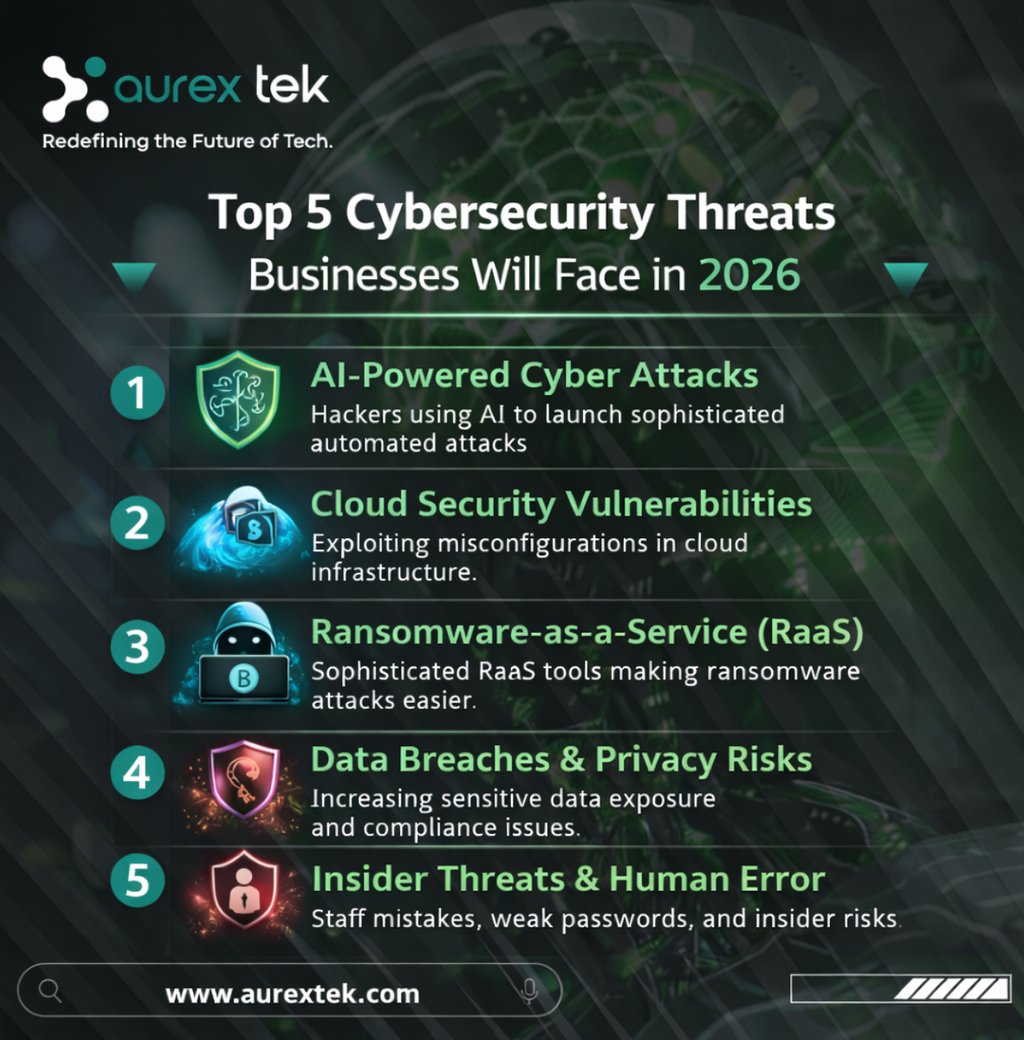
1. AI-Powered Cyber Attacks
Artificial Intelligence is transforming industries but it is also transforming cybercrime.
In 2026, cybercriminals are leveraging AI and machine learning algorithms to automate attacks, identify vulnerabilities faster, and bypass traditional security systems. These AI-driven attacks can analyze large volumes of data, mimic user behavior, and execute highly targeted phishing campaigns with remarkable precision.
Unlike traditional cyber threats, AI-powered attacks are:
Faster and more scalable
Highly adaptive to security defenses
Capable of launching real-time attacks
This makes them significantly harder to detect and mitigate using conventional cybersecurity tools.
What businesses should do?
Organizations must adopt AI-driven cybersecurity solutions that can detect anomalies, predict threats, and respond in real time. Investing in advanced threat intelligence and behavioral analytics is critical to counter AI-based attacks
2. Cloud Security Vulnerabilities
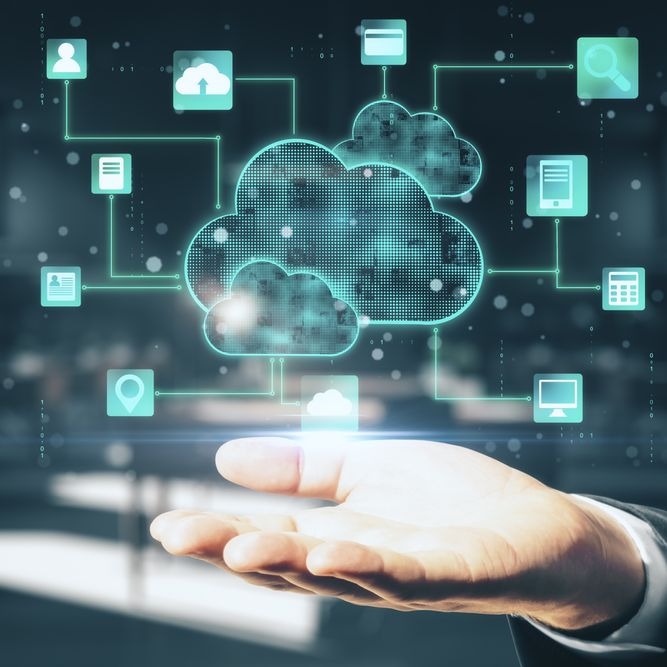
The rapid adoption of cloud computing and multi-cloud environments has introduced new security challenges.
While cloud platforms offer scalability and flexibility, they also create multiple entry points for attackers especially when misconfigured. In fact, cloud misconfigurations and weak access controls are among the leading causes of data breaches today.
Common cloud-related risks include:
Improper identity and access management (IAM)
Unsecured APIs and interfaces
Data exposure due to misconfigured storage
Lack of visibility across multi-cloud environments
As businesses continue migrating critical workloads to the cloud, these vulnerabilities will only increase.
What businesses should do:
Implement robust cloud security frameworks, enforce strict access controls, and continuously monitor cloud environments. Adopting a Zero Trust architecture ensures that no user or system is trusted by default, reducing the risk of unauthorized access.
3. Ransomware-as-a-Service (RaaS)
Ransomware has evolved into a full-fledged business model.
In 2026, Ransomware-as-a-Service (RaaS) will continue to rise, enabling even non-technical individuals to launch sophisticated cyberattacks. Cybercriminal groups now offer ransomware tools, support, and infrastructure on a subscription basis, significantly lowering the barrier to entry.
This trend is making ransomware attacks:
More frequent
More advanced
More damaging for organizations
Businesses across industries from healthcare to finance are becoming prime targets due to the high value of their data.
What businesses should do:
Organizations must strengthen their endpoint security, backup strategies, and incident response plans. Regular penetration testing and vulnerability assessments can help identify weaknesses before attackers exploit them.
4. Data Breaches and Privacy Risks
Data has become one of the most valuable assets for modern businesses. However, with the growth of data analytics, digital platforms, and customer-centric applications, the risk of data breaches is increasing significantly.
In 2026, companies will face heightened risks related to:
Unauthorized data access
Leakage of sensitive customer information
Compliance violations (GDPR, HIPAA, etc.)
Reputational damage due to data exposure
A single data breach can cost millions in financial losses and permanently damage a company’s brand.
What businesses should do:
Implement strong data protection strategies, including encryption, data masking, and secure storage solutions. Organizations must also ensure compliance with global data privacy regulations and regularly audit their data security practices.


5. Insider Threats and Human Error
Despite advancements in technology, humans remain the weakest link in cybersecurity.
Insider threats whether intentional or accidental continue to be a major cause of security incidents. Employees may unknowingly expose sensitive data through:
Weak or reused passwords
Phishing scams
Misconfigured systems
Lack of cybersecurity awareness
In remote and hybrid work environments, these risks are even more pronounced.
What businesses should do:
Organizations must invest in cybersecurity awareness training and establish strict access control policies. Implementing multi-factor authentication (MFA) and monitoring user behavior can significantly reduce insider risks.
How Businesses Can Stay Ahead in 2026
To effectively combat these evolving threats, businesses need a proactive and strategic approach to cybersecurity.
Here are key strategies organizations should adopt:
✔ Zero Trust Security Architecture : Assume no user or system is trusted by default. Verify every access request to minimize risk.
✔ AI-Driven Cybersecurity Solutions: Leverage AI and automation to detect, prevent, and respond to threats in real time.
✔ Strong Cloud Security Frameworks: Ensure secure cloud configurations, continuous monitoring, and strict access controls.
✔ Regular Penetration Testing & Risk Assessments: Identify vulnerabilities before attackers do and strengthen system defenses.
✔ Cybersecurity Awareness Culture: Educate employees and create a security-first mindset across the organization.
Final Thoughts
In 2026, cybersecurity will define the success or failure of digital businesses.
Organizations that treat cybersecurity as a strategic investment rather than an operational expense will gain a competitive advantage. By integrating AI, cloud security, data protection, and risk management strategies, businesses can build a resilient and future-ready digital ecosystem.
The reality is clear:
Cyber threats are no longer a possibility, they are inevitable.
The question is not if your business will face a cyber attack, but when.

Is Your Business Ready?
At AureX Tek, we help organizations navigate complex cybersecurity challenges through IT augmentation, AI-driven solutions, cloud security, and enterprise technology strategies.
If you’re looking to strengthen your cybersecurity posture and future-proof your business, now is the time to act.
Contact
© 2026. All rights reserved.